


Global Hunger Index: Govt Living In Denial
- By Abhirr VP
- 18 Oct, 2021
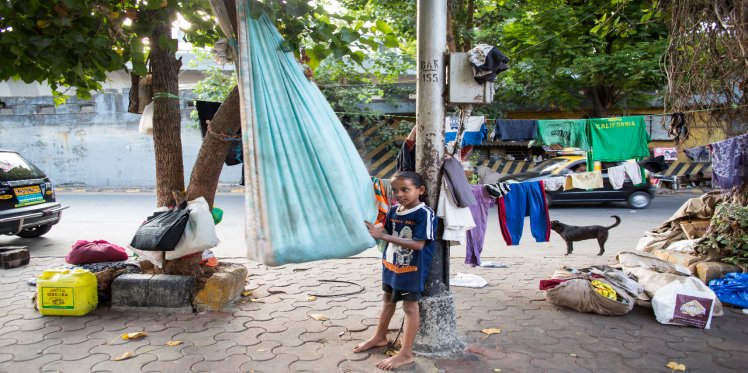
Government Living In Denial As Malnourished Children Increase In India.
18 OCTOBER 2021| The Global Hunger Index (GHI) 2021 data which states that India dropped on the hunger-level ranks by seven spots to the 101st spot unfortunately reflects the reality of the country where hunger accentuated since the COVID-19 pandemic, said Oxfam India today.
“This trend of undernutrition in India is unfortunately not new, is actually based on the government’s own National Family Health Survey (NHFS) data. The data shows that between 2015 and 2019, a large number of Indian states actually ended up reversing the gains made on child nutrition parameters. This loss of nutrition should be of concern because it has intergenerational effects, to put it simply - the latest data shows that in several parts of India, children born between 2015 and 2019 are more malnourished than the previous generation” said Amitabh Behar, CEO of Oxfam India.
The Union budget this year discussed India’s POSHAN (Prime Minister's Overarching Scheme for Holistic Nourishment scheme) with “increased” allocations to POSHAN 2.0, however the POSHAN Abhiyaan that was launched in 2017 to improve nutrition among children, pregnant women and lactating mothers has languished due to poor funding resulting from clever clubbing with other schemes within the health-budget and even worse implementation. Only 0.57% of the current budget has been allocated toward funding the actual POSHAN scheme and the amount for child nutrition dropped by a whopping 18.5% compared to 2020-21.
"There are massive negative consequences to not arresting high levels of malnutrition. In India, both our adult population and our children are at risk. For instance, the BMI of a quarter of our (teenage and middle aged) women is below the standard global norm, more than half of our women suffer from anaemia. A quarter of our (teenage and middle-aged) men also show signs of iron and calcium deficiencies as per the latest round of NHFS data", said Varna Sri Raman, Lead, Research and Knowledge Building at Oxfam India.
“It is estimated by independent researchers that India loses up to 4% of its gross domestic product and 8% of its productivity due to child malnutrition alone. Oxfam India is urgently calling upon the government to start talking about solutions. Oxfam India believes that issues of nutrition are intimately tied with issues of public health, food choices, availability, access limited by caste and class, education and more. At the centre of India’s food security and nutrition crisis is low priority and poor policy that does not look at the long-term consequences of where we are headed. This policy must change right now and we must collectively address one of the biggest challenges facing the country”, said Amitabh Behar.
About Oxfam India
Oxfam India is a movement of people working to end discrimination and create a free and just society. We work to ensure that Adivasis, Dalits, Muslims, and women and girls have safe violence-free lives with freedom to speak their mind, equal opportunities to realize their rights, and a discrimination-free future.
📢Oxfam India is now on Telegram. Click here to join our Telegram channel and stay tuned to the latest updates and insights on social and development issues.
Recent News
Related Stories
03 Mar, 2020
Uttar Pradesh
Reducing Inequality by Ensuring Formal Education
Oxfam India continues to work with grassroots partners to help out of school children and enrol them in school. This it does with a special focus on the girl child and in the five poorest states it works in. Oxfam India campaigns for the proper implementation of the Right to Education Act by working with parents, district and village level authorities, teachers, and School Management Committees (SMCs)
Read More
25 Feb, 2020
Kerala
Disaster Resilience through Economic Empowerment of Women and Excluded Communities in Kerala
Oxfam worked closely with Kudumbasree (Kerala’s Mission for Poverty Eradication) and the district administration to reach out to the most marginalised groups in Pathanamthitha and Alappuzha districts. Oxfam reached out to groups with members from excluded communities especially women and people with disabilities who faced the worst impact of the disaster and were struggling to revive their income generation activities.
Read More
04 Feb, 2020
Bihar
Community-Based Organisations Raise Awareness on Healthcare
Kajal Kumari could not afford a private hospital during her pregnancy. Rigorous advocacy by Oxfam India and community based organisations are helping improve public health facilities. Gardhanibagh hospital is one of them. Kajal received adequate care and delivered a healthy baby at the hospital.
Read More
30 Jan, 2020
Kerala
Rebuilding lives of flood-affected families in Kerala
The 2018 floods in Kerala devastated the lives of several families. Oxfam India responded with immediate life saving support and implemented long-term programmes to help families rebuild their lives and get back to normalcy.
Read More
